·gold
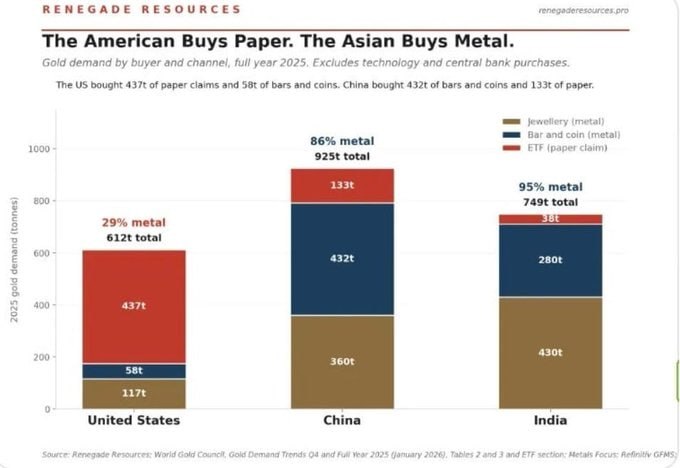
Gold: Paper Exposure in West, Physical Accumulation in Asia
2025 demand split: US exposure largely paper via ETFs (437t), while China (86%) and India (95%) accumulated mostly physical gold — implications for investors.
Read post

We share clear, data-informed perspectives on global markets, commodities, and portfolio ideas—from market breadth and macro drivers to the future of real assets like tokenized gold. Our goal is to turn noisy headlines into actionable insight you can actually use. If you’re looking for concise explainers and thoughtful analysis, you’re in the right place.
2025 demand split: US exposure largely paper via ETFs (437t), while China (86%) and India (95%) accumulated mostly physical gold — implications for investors.
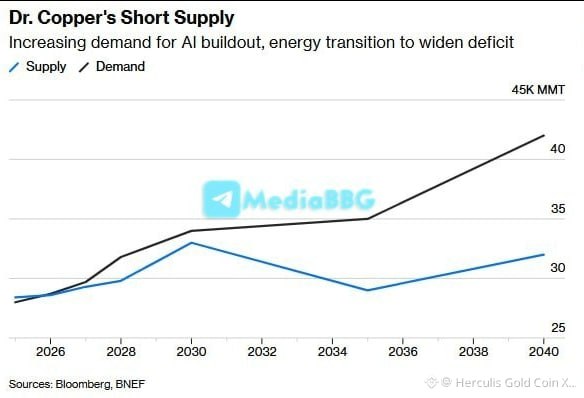
Forecasts suggest a ~10 Mt copper shortfall by 2040 as demand rises to 42 Mt—driven by EVs, grid upgrades and growth in AI data centers.
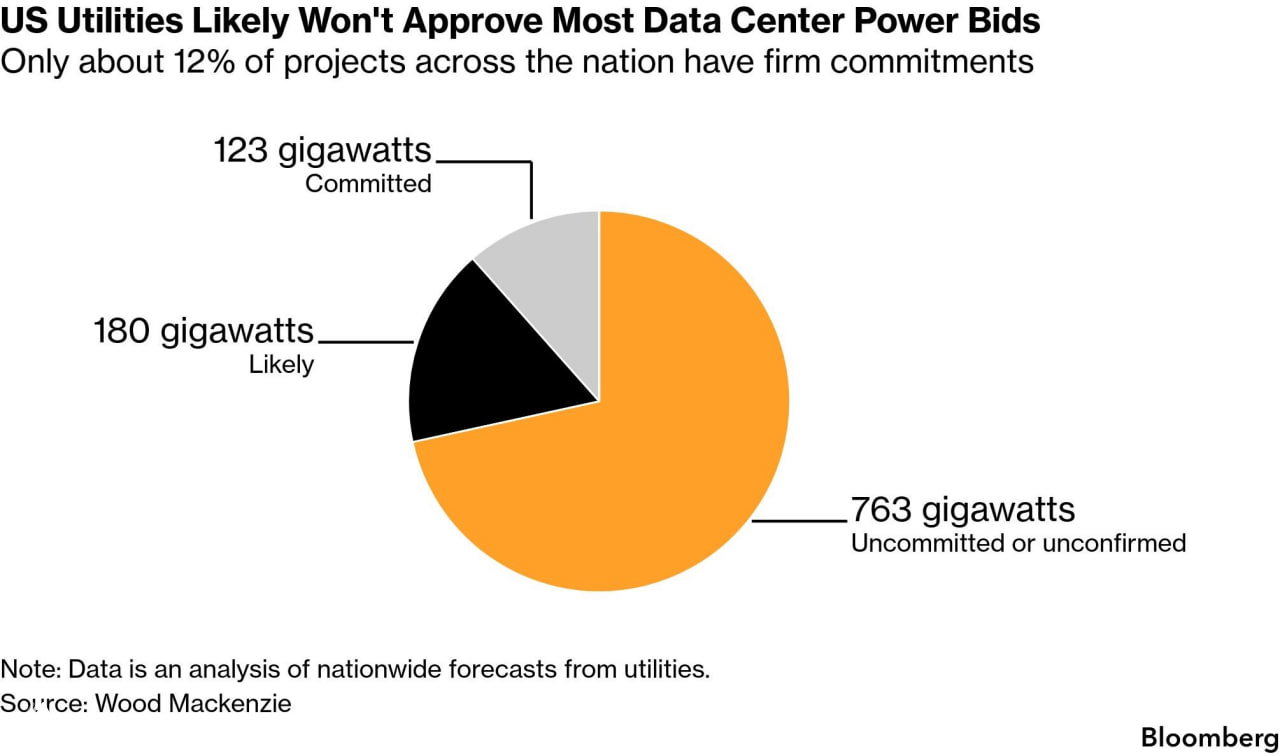
Wood Mackenzie finds utilities likely to commit only 28% of 1,066 GW requested for US data centers, risking grid strain and higher bills.
China's central bank bought 20 tonnes of gold in July, lifting reserves to 2,366 tonnes and shifting stock from London to Hong Kong — implications for reserves and dollar diversification.
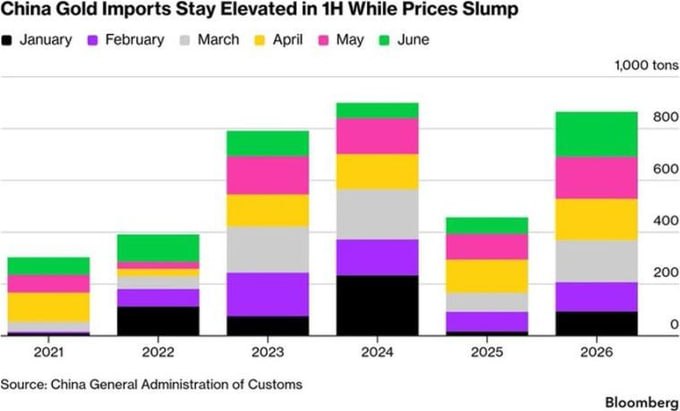
A long-term perspective on gold: from Bretton Woods and the 1970s surge to the GFC, pandemic and central-bank demand, explaining why gold endures.
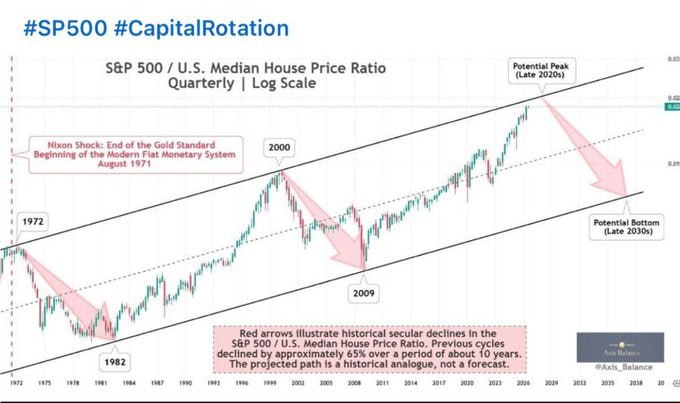
Analysis of the S&P 500 to median US home price ratio: two historical ~65% contractions after the 1971 Nixon Shock and today's return to the channel.
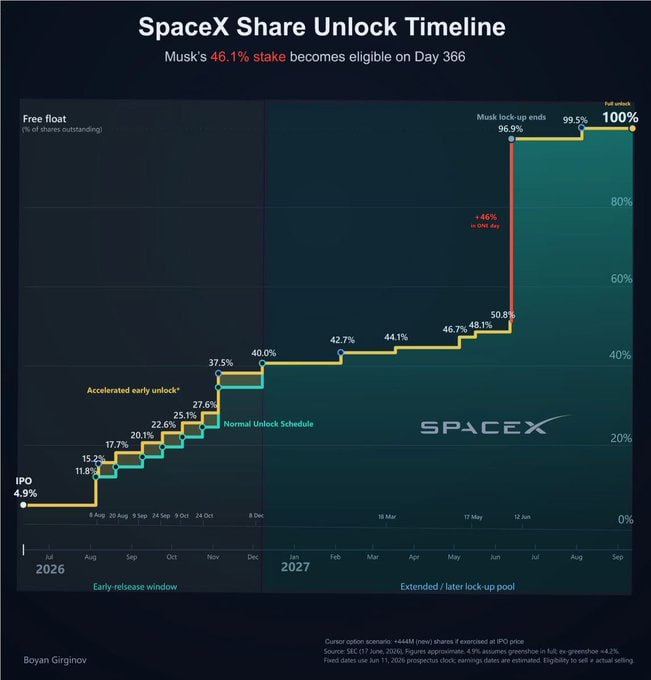
SpaceX free float rises from ~4.9% to 11.8% as a phased unlock through 2027 could make up to 911.5M shares (~$116B) eligible; markets already priced the event.
4,000 XAUH minted on Ethereum, now 15,500 XAUH across Ethereum, TON and TRON; 1,060 wallets; tradable on Biconomy, BTSE, STON.fi and xauh.gold.

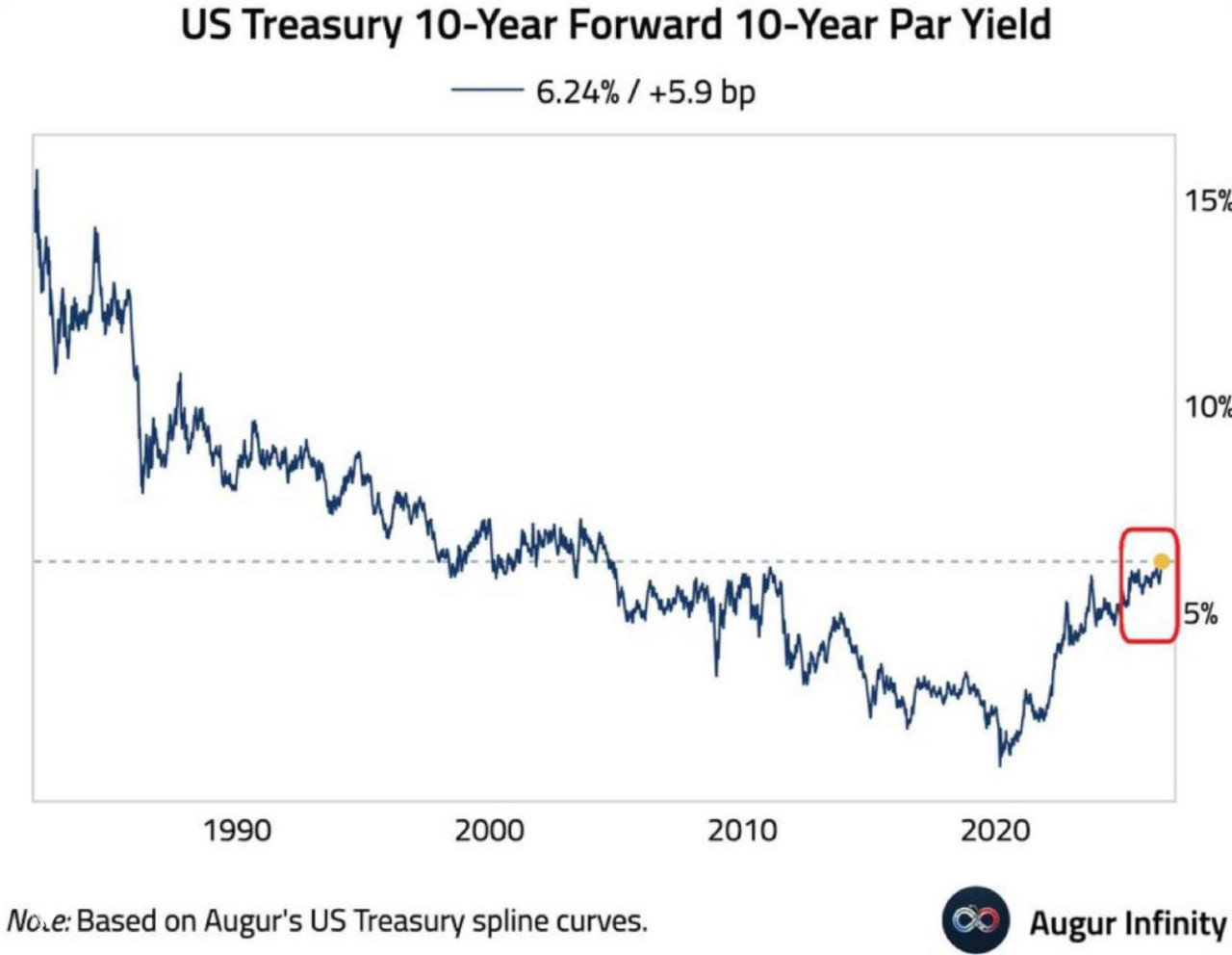
The 30-year U.S. Treasury yield surpasses 5.2% and the 10y-to-10y forward hits ~6.24%, signaling a structurally higher cost of capital amid deficits and bond issuance.
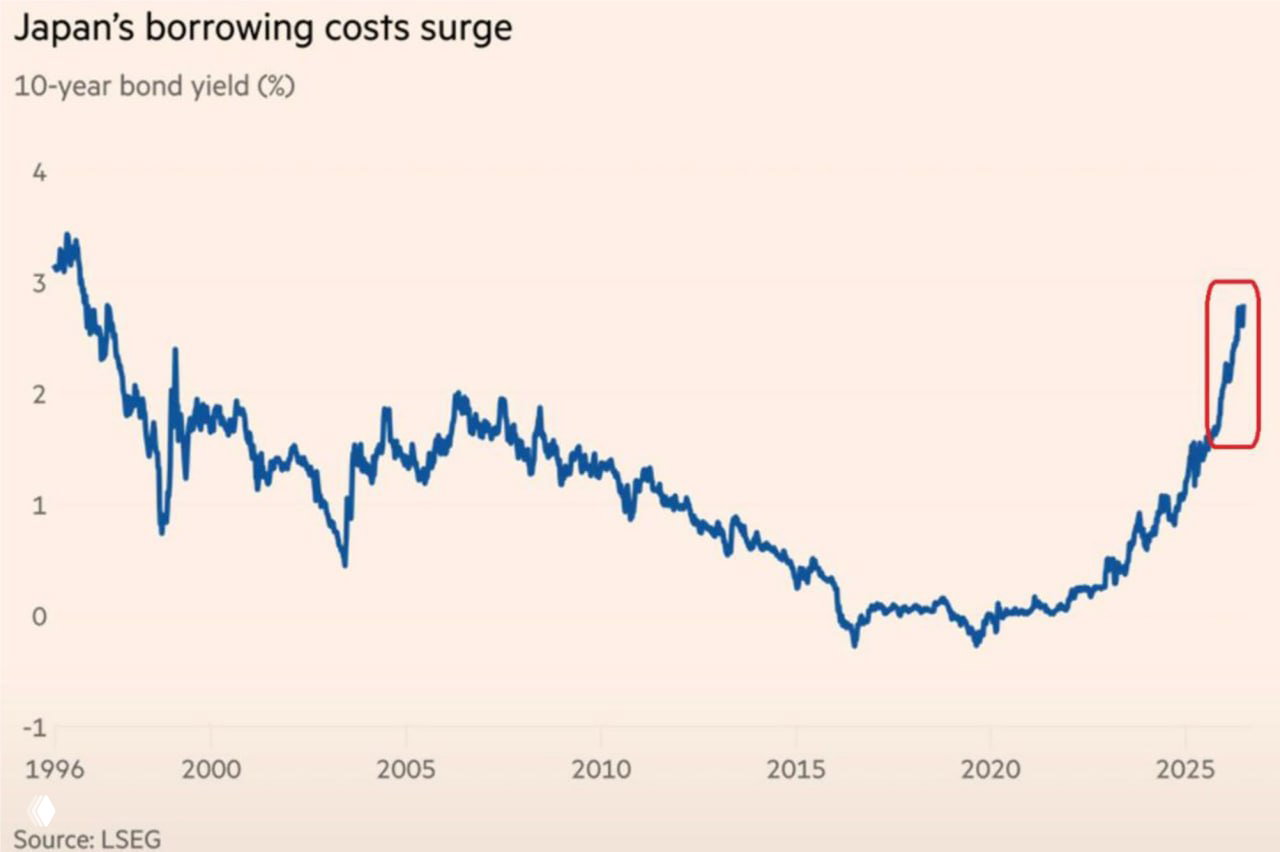
Japan's 10-year yield rose to ~2.8–2.9% by 2026; $1,210bn in US Treasuries means partial reallocation could lift US yields, cut liquidity and strengthen the yen.
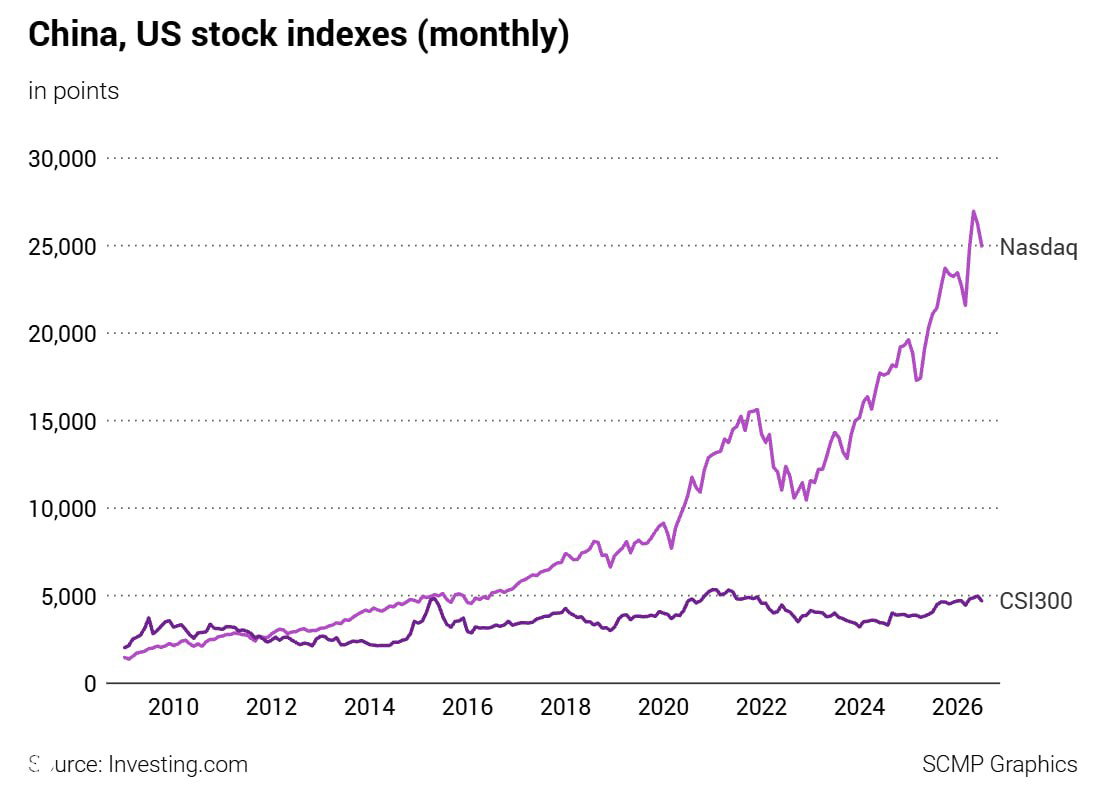
Why the CSI 300 lags the S&P 500 despite China's industrial gains, and how the Chinese market can offer diversification before potential outperformance.
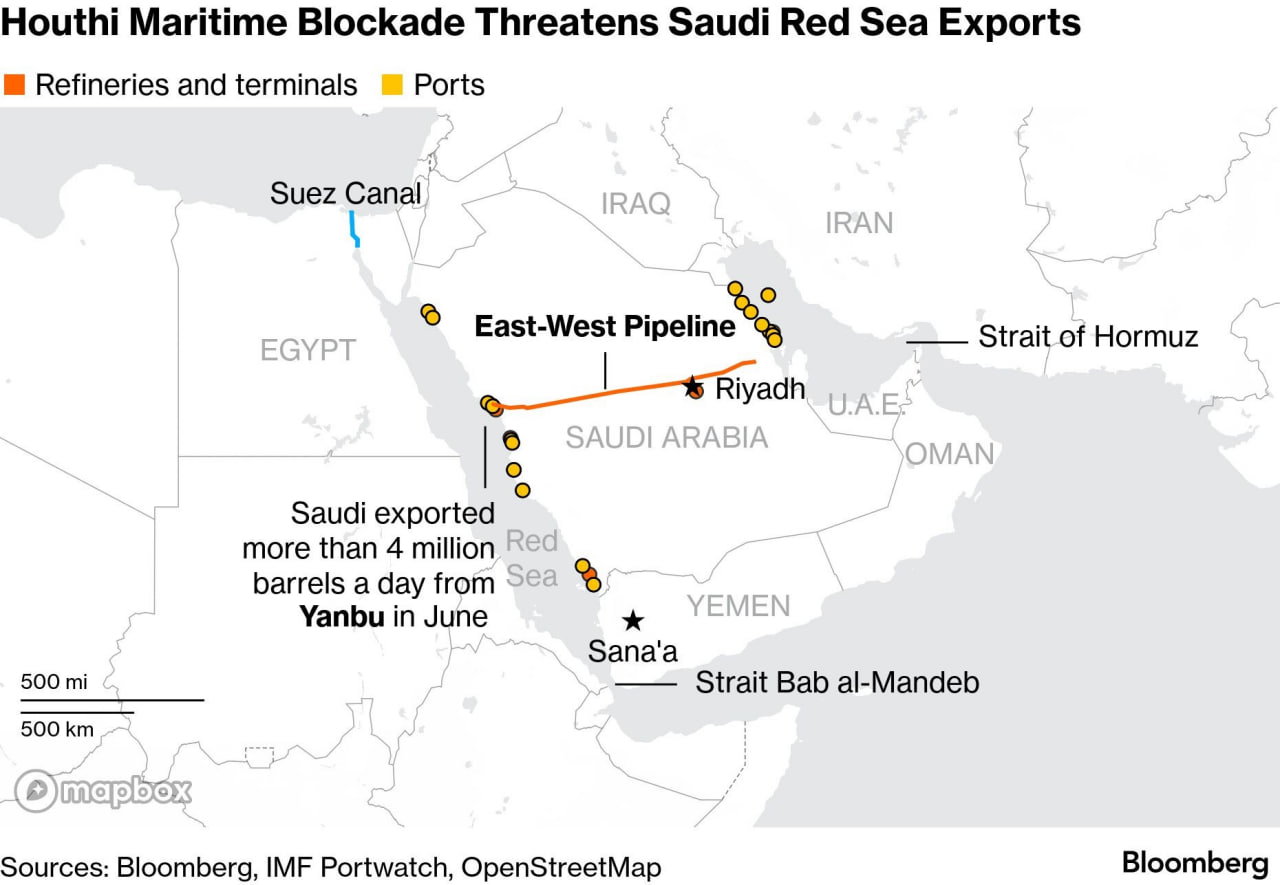
Tehran-backed Houthis say they will block maritime traffic to Saudi Arabia, risking Red Sea oil flows via Yanbu and lifting pressure on global oil prices.